
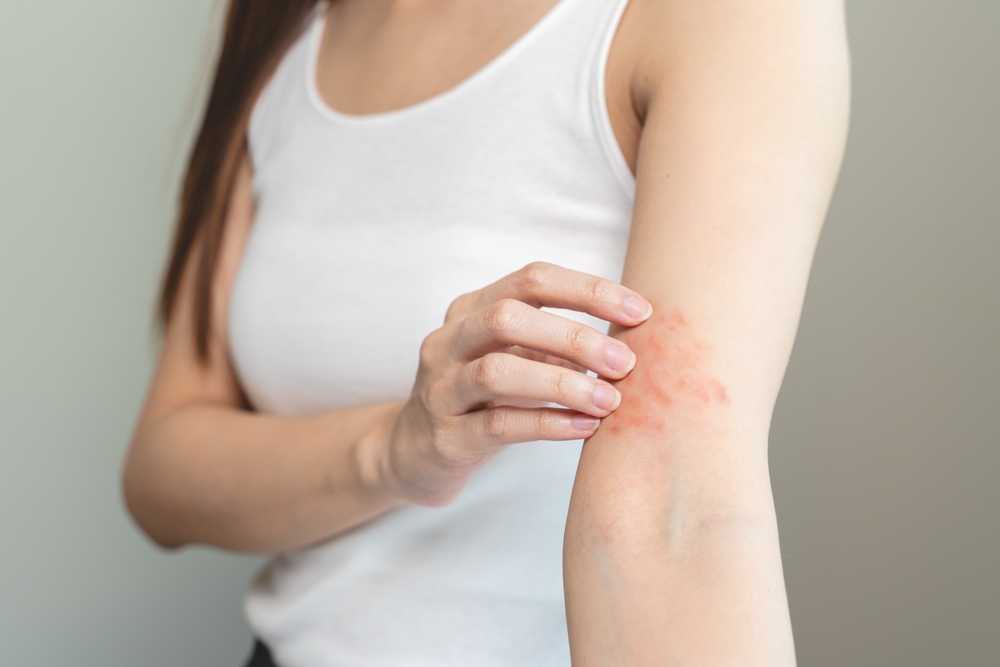
Eczema flare-ups can be frustrating, especially when they seem to appear without a clear reason. In Houston and Greater Houston, Texas, the team at DermSurgery Associates helps children and adults understand what may be irritating their skin and how eczema treatment may be adjusted around their symptoms, triggers, and daily routines. Our dermatologists and board-certified physicians provide medical, pediatric, cosmetic, and surgical dermatology care with an emphasis on long-term skin health.
Why Eczema Triggers Can Be Hard to Pin Down
Eczema is not always tied to one obvious cause. For many people, flares happen when several factors overlap, such as dry weather, stress, sweating, allergens, irritating skin care products, scratching, or changes in routine. That is why one flare may feel different from the next.
Because DermSurgery Associates treats several forms of eczema, including atopic dermatitis, contact dermatitis, dyshidrotic eczema, nummular eczema, seborrheic dermatitis, and stasis dermatitis, our dermatology team looks beyond the rash itself. The pattern, location, triggers, and severity of your symptoms can all shape the next step in care.
Some people have atopic dermatitis, a specific form of eczema that may cause intense itching, raised rashes, dry patches, and sleep disruption. Scratching can weaken the skin barrier and make irritation worse, especially when symptoms keep returning.
Can Diet Trigger Eczema?
Diet may play a role for some people, but food is not the cause of every eczema flare. Certain foods may seem to worsen itching or redness in individual cases, especially when allergies or sensitivities are involved. Still, it is important not to self-diagnose food triggers or remove major food groups without medical guidance.
A better first step is to track patterns. If symptoms tend to flare after certain meals, bring that information to your dermatology visit. Your provider can review your history, symptoms, and possible allergy connections before recommending next steps.
How Stress Can Affect Eczema
Stress does not mean eczema is “in your head.” Stress can influence sleep, inflammation, scratching habits, and how consistently you care for your skin. During busy or difficult periods, some people notice more itching, more frequent flares, or slower improvement.
Managing stress will not replace medical treatment, but it may support better symptom control. A steady skin care routine, proper moisturization, and medical guidance can reduce the cycle of itching and scratching.
Allergies, Irritants, and Everyday Skin Exposure
Allergens and irritants can play a major role in eczema flares. Fragranced products, harsh soaps, detergents, pet dander, pollen, dust, sweat, and certain fabrics may bother sensitive skin. In Houston, heat and humidity can also make itching or sweat-related irritation more noticeable.
Because triggers vary, medical dermatology care is useful when symptoms keep coming back. Your dermatologist can identify what may be worsening your skin and recommend options that fit your eczema type, age, skin sensitivity, and lifestyle.
When to Seek Help for Eczema Flares
You should consider seeing a dermatologist if itching disrupts your sleep, rashes keep coming back, your skin cracks or bleeds, or over-the-counter products are not helping. You should also seek care if the area becomes painful, swollen, crusted, warm, or shows possible signs of infection.
Eczema can be chronic, but the right care can make flares easier to manage. DermSurgery Associates offers eczema care for people throughout Houston and Greater Houston, TX. To discuss your symptoms with our team, contact us or call 713-791-9966.
