
Moles can be harmless, but new or changing spots deserve a closer look. In Houston, Texas, DermSurgery Associates provides medical dermatology care through a team that includes dermatologists and board-certified physicians, Mohs surgeons, and experienced mid-level providers. A mole check can help identify changes early and determine whether a spot should be monitored, biopsied, or evaluated further through a skin cancer screening.
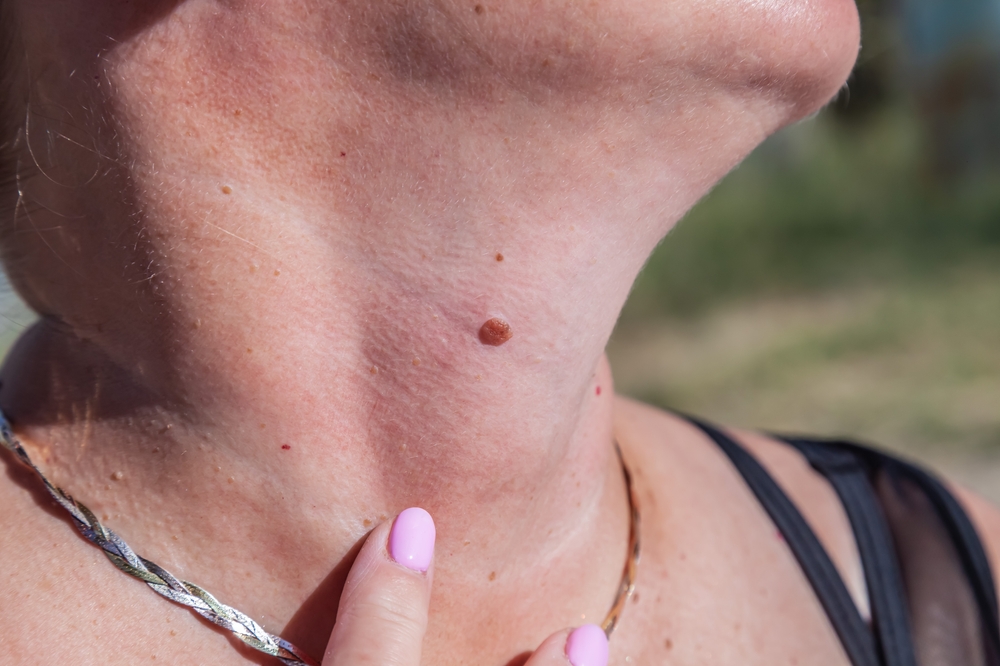
What Is a Mole Check?
A mole check is a dermatology visit focused on evaluating moles or other spots that concern you. Your dermatologist may examine one specific mole or look at multiple areas of the skin, depending on your history and symptoms.
During the visit, your dermatologist may ask when the mole appeared, whether it has changed, and whether it itches, bleeds, hurts, or looks different from your other spots. If a mole appears suspicious, your visit may include monitoring, digital imaging, dermoscopy, or a biopsy.
A Reputation Built on Results
I’ve been seeing Dr. Ryan Ryahi since 2020 for my psoriasis, after trying several different treatments with other doctors without much success. He was finally able to get my psoriasis…
Always a delight. Dr Glaich and her assistant have great attitudes and always help medically
The staff and doctors are very courteous and professional and handled all my concerns and needs. I highly recommend this office of your dermatology needs.
When Should You Have a Mole Checked?
You should schedule a mole check if you notice a mole that is new, changing, bleeding, itching, painful, irregular, or different from the others on your skin. A mole that grows quickly or develops multiple colors should also be evaluated.
Some people benefit from more frequent checks, including those with a personal or family history of skin cancer, many moles, atypical moles, frequent sun exposure, or tanning bed use. Your dermatologist can recommend a visit schedule based on your risk factors.
The ABCDEs of Moles
The ABCDE rule can help you know when to call a dermatologist:
- Asymmetry: One half of the mole does not match the other.
- Border: The edges are uneven, blurred, notched, or irregular.
- Color: The mole has several colors or uneven shading.
- Diameter: The mole is larger than 6 mm, about the size of a pencil eraser.
- Evolving: The mole changes in size, shape, color, texture, or symptoms.
These signs do not always mean melanoma, but they should not be ignored.
What Happens During a Dermatology Mole Check?
Your dermatologist will examine the mole and may compare it with surrounding spots. Dermoscopy may be used to see structures that are not visible to the naked eye. If the mole needs testing, lumps, bumps, and biopsies can help confirm whether the spot is benign, atypical, or cancerous.
If no biopsy is needed, the mole may be photographed or documented so future changes can be tracked.
Mole Check vs. Skin Cancer Screening
A mole check usually focuses on one or several spots of concern. A skin cancer screening is broader and may include a more complete review of the skin. Both visits can be useful, and your dermatologist may recommend one or both depending on your concerns, risk level, and skin history.
Why Choose DermSurgery Associates for Mole Checks in Houston?
Patients across Houston and Greater Houston, Texas, choose DermSurgery Associates for mole evaluations because the practice offers board-certified dermatology care, advanced diagnostic tools, biopsies when needed, and access to treatment options if skin cancer is found. DermSurgery Associates also provides Mohs surgery for skin cancer when appropriate, allowing many patients to continue care with a team they already know.
This combination of medical dermatology, diagnostic support, and skin cancer treatment options can help you feel more informed about a new or changing mole.
Frequently Asked Questions
Not always. New moles can be benign, but a new spot in adulthood should be checked if it grows, changes, bleeds, itches, or looks different from your other moles.
An itching or bleeding mole should be evaluated by a dermatologist. Irritation can happen for simple reasons, but these symptoms can also be signs that the mole needs closer examination.
No. Some irregular moles can be monitored, while others need biopsy based on their appearance, symptoms, and your skin history. Your dermatologist will explain why testing is or is not recommended.
Many people benefit from an annual skin exam, but you may need visits more often if you have a history of skin cancer, atypical moles, or frequent sun exposure. You should also schedule a visit whenever a mole changes.
Yes. Mole checks can help identify suspicious changes before they become more advanced. Early evaluation gives your dermatologist a better chance to diagnose and treat concerning spots sooner.
Schedule a Mole Check in Houston
A new, changing, bleeding, itching, or irregular mole is worth having evaluated by an experienced dermatology team. DermSurgery Associates provides mole checks, skin cancer screenings, biopsies, and treatment options for patients in Houston and Greater Houston, Texas. To request a mole check, contact us or call 713-791-9966.
