
The most important part of photodynamic therapy aftercare starts once you leave the office. Our team at DermSurgery Associates uses photodynamic therapy (PDT) in Houston and Greater Houston, Texas, for concerns that include actinic keratoses, sun damage, and acne. Lucile White, MD, FAAD is certified by the American Board of Dermatology and completed fellowship training in Mohs surgery, lasers, and cosmetic dermatology. PDT is among the services she currently provides.
Why Does Light Matter After PDT?
PDT starts with a photosensitizing medication applied to the skin. After it has time to absorb, a controlled light source activates the medication and creates a reaction in the treated tissue.
The photosensitizer can remain active in the skin for about 24 to 48 hours. During that period, sunlight and even bright indoor light can trigger more redness, itching, burning, or irritation. That is why the first couple of days require stricter light precautions than your everyday sunscreen routine.
How Should You Protect Your Skin?
Follow the instructions we give you before leaving the office. In general, plan to spend the early recovery period indoors and avoid unnecessary sun exposure. If you need to step outside briefly, use the protective measures we recommend, which may include a hat, clothing that covers the treated area, and sunscreen.
Do not treat sunscreen as a substitute for limiting light exposure during this period. If PDT was used for actinic keratoses or visible sun damage, reducing ultraviolet exposure also helps protect skin that has already accumulated sun-related changes.
What Is Normal During PDT Recovery?
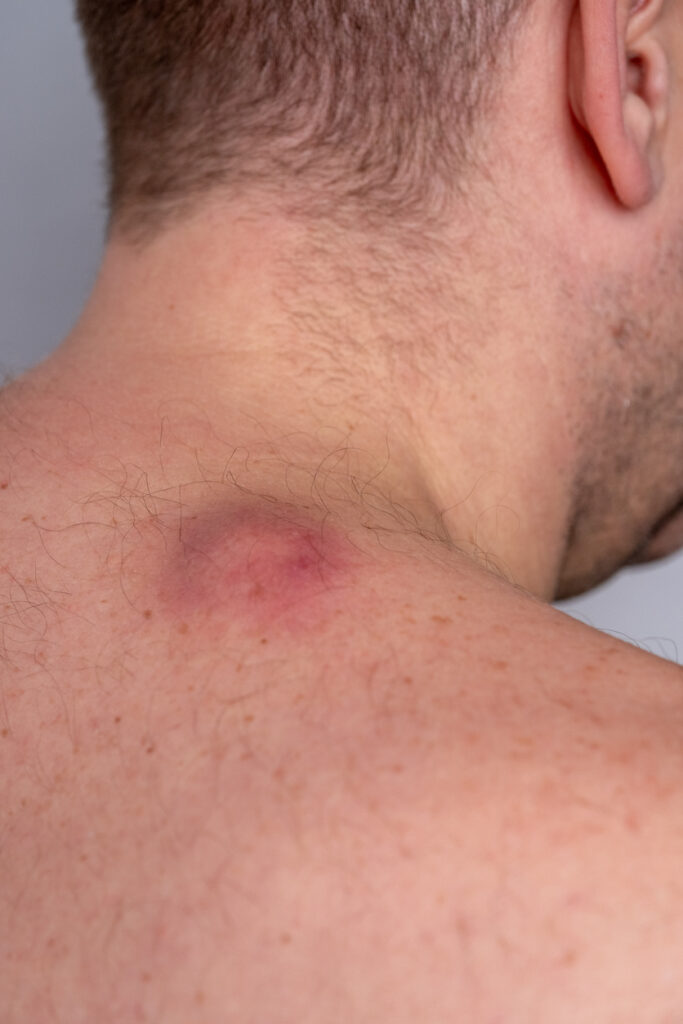
Redness, itching, burning, swelling, or peeling can occur after treatment. Mild to moderate redness often settles within a day or two, while peeling may last several days. Temporary swelling around the eyes can also occur when nearby areas are treated.
Use gentle skincare and avoid picking at flaking skin. If PDT was performed for a precancerous change, continue with the follow-up our team recommends. The procedure does not replace future skin cancer screening when an examination is otherwise appropriate.
When Should You Contact Our Team?
Reach out if your reaction seems unusually severe, causes significant discomfort, or does not match the recovery instructions you received. We would rather review an unexpected change than have you try to judge it on your own.
Plan for PDT Aftercare in Greater Houston
If you are considering PDT, knowing what the early recovery period involves can help you plan work, errands, and time outdoors. Call DermSurgery Associates at 713-791-9966 or contact us for photodynamic therapy care in Houston and Greater Houston, Texas.
