
Rid your skin of acne, acne scarring, sun damage, and more with the power of light. DermSurgery Associates physicians use photodynamic (PDT) red light therapy at our Greater Houston, TX, locations to treat a range of cosmetic concerns in addition to killing pre-malignant or cancerous cells.
PDT pairs photosensitizing agents (topical drugs like Levulan® or Ameluz) with a certain type of light that activates them. This process treats targeted cells, leaving you with a healthy complexion you feel amazing about.

How does photodynamic therapy work?
In PDT, your provider starts by applying a photosensitizer to your skin. This photosensitizer is absorbed preferentially by certain structures in the skin, such as hair follicles, oil glands, bacteria, or rapidly growing cells. Illumination with high-intensity light or lasers causes a reaction in the skin, destroying the targeted tissue without harming the surrounding skin.
What types of conditions can be treated with photodynamic therapy?
Photodynamic therapy has been effective in the treatment of:
-
-
-
-
-
Many other diseases
In addition to PDT, our dermatological surgeons perform Mohs surgery to remove skin cancer cells. Your dermatologist will help you determine whether your concern is cancerous or precancerous to make sure you receive an effective treatment that gives you peace of mind about your skin’s health.
A Reputation Built on Results
DermSurgery in Pearland is fantastic for all your skin needs. They are very organized and on time with appointments during the week respecting your time. Dr. Tran Cao is amazing,…
He’s the fourth dermatologist I’ve seen in Houston, and he’s finally the one who is actually helping me get my eczema under control.
There is no doctor more loving, caring and beyond professional in his expertise field of dermatology, specifically Mohs. In addition his staff led by CC. Beautiful and efficient as well…
How does photodynamic therapy treat acne and acne scarring?
PDT improves active acne and oily skin by decreasing the bacteria on the skin and shrinking the oil-producing sebaceous glands. It also stimulates collagen production to diminish the appearance of acne scarring. This typically requires multiple treatments.
Does photodynamic therapy hurt?
During PDT, your provider will cleanse your skin several times before applying the activated substance. Either of these steps may cause stinging, but most people find they can tolerate this without any topical anesthesia. Following your treatment, you may have some transient itching and a mild sunburnt sensation for a couple of days.
Will my skin be sensitive to the sun after photodynamic therapy?
After PDT, a small amount of activated substance will remain on the skin for 24 to 48 hours. Sunlight and even indoor light may affect this and cause itching. Applying sunscreen and wearing a hat may diminish these undesired effects.
What should I expect after my photodynamic therapy treatment?
While PDT requires little to no recovery downtime, most people do experience a few mild side effects:
-
Itching: You will likely experience mild burning or itching for about an hour after the procedure. It can sometimes last a day to two.
-
Redness: It is normal to notice mild to moderate redness for 24 to 48 hours. You should only apply gentle emollients to your skin during this time.
-
Swelling: The areas around your eyes may swell a bit after your treatment. This will subside within several hours. Applying ice or cold packs may help relieve swelling.
-
Peeling: Treated skin may peel for several days after the procedure. Gentle washing and the application of a slightly thicker moisturizer may help alleviate peeling.
Consult your doctor if any of these side effects seem severe or cause significant discomfort.
How much does photodynamic therapy cost? Is it covered by insurance?
The cost of PDT at our Houston-area locations varies widely depending on the size of the treated area and the number of sessions needed. PDT may be covered by insurance if deemed medically necessary, typically for the treatment of precancerous cells.
Before & After
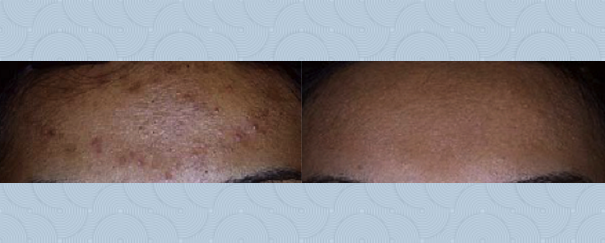
If you would like to learn more about Greater Houston PDT treatments, please request a consultation or call one of our specialists at a location near you.
Why Choose DermSurgery Associates for PDT?
Patients in Houston and Greater Houston TX choose DermSurgery Associates for photodynamic therapy because we offer:
-
Board-Certified Dermatologists: Experienced in treating sun damage and precancerous skin changes
-
Precise Diagnosis and Planning: Each treatment is based on your skin type and condition
-
Advanced Light Technology: Safe and effective in-office equipment for optimal results
-
Full Dermatologic Care: Seamless access to follow-up treatments or surgical care if needed
-
Personalized Attention: Our team ensures your comfort, safety, and long-term skin health
If you’ve been diagnosed with actinic keratoses or want to improve the effects of sun damage, contact DermSurgery Associates today to schedule your PDT consultation.
